

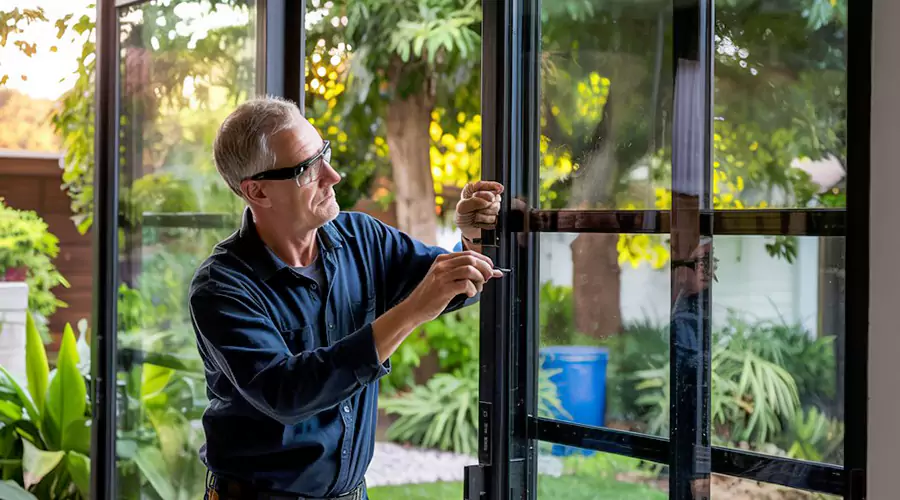

A sliding patio door is designed to provide smooth access between indoor and outdoor spaces while also sealing your home against air, moisture, and security risks. When the door does not close properly, it can become frustrating and may lead to higher energy bills, security concerns, and further damage to the door system.
This issue is usually caused by wear and tear, misalignment, or damaged components. Understanding the root cause helps you decide whether a simple adjustment or professional repair from a sliding door contractor is needed.
In this guide, we will explain the most common reasons why sliding patio doors fail to close properly and how to identify each problem.
How a Sliding Patio Door Should Function?
A properly working sliding patio door should:
- Glide smoothly along the track
- Close fully without force
- Lock securely into place
- Sit evenly within the frame
- Maintain a tight seal against air and water
The system relies on several components working together:
- Rollers that support movement
- Tracks that guide the door
- Frame alignment for stability
- Locking mechanism for security
- Weather stripping for sealing
When any of these components fail, the door may stop closing properly.
Common Reasons Your Sliding Patio Door Does Not Close Properly
1. Dirty or Obstructed Track
One of the most common causes is debris inside the track.
Over time, sliding door tracks collect:
- Dirt
- Dust
- Sand
- Small stones
- Leaves
- Pet hair
Even a small obstruction can block the rollers and prevent the door from closing fully.
Signs of a Dirty Track:
- Door stops before fully closing
- Uneven sliding movement
- Grinding or scraping sounds
- Visible debris inside the track
Cleaning the track often improves performance immediately.
2. Worn or Damaged Rollers
Rollers are responsible for smooth door movement.
They can wear out due to:
- Heavy usage
- Lack of lubrication
- Rust or corrosion
- Aging components
When rollers fail, the door may drag or sit unevenly, preventing proper closure.
Symptoms of Roller Problems:
- Door feels heavy to move
- One side of the door drops lower
- Jerky or uneven sliding
- Door does not align with the frame when closing
Replacing worn rollers is often necessary for full restoration.
3. Misaligned Door Frame
A sliding patio door depends heavily on correct frame alignment.
Misalignment can occur due to:
- House settling over time
- Structural shifting
- Improper installation
- Moisture damage to the surrounding structure
When the frame is uneven, the door may not line up with the latch or seal properly.
Signs of Frame Misalignment:
- Gaps around the door edges
- Door appears tilted
- Lock does not align correctly
- Increased resistance when closing
This issue often requires professional adjustment.
4. Track Damage or Bending
The track guides the rollers and ensures smooth movement.
Damage may occur due to:
- Heavy impact
- Long-term wear
- Excess weight on the door
A bent or damaged track can prevent the door from sliding into the correct closing position.
Signs of Track Damage:
- Door gets stuck at one point
- Visible dents or bends
- Uneven sliding motion
- Metal scraping noises
Severe damage may require track repair or replacement.
5. Improper Roller Adjustment
Sliding patio doors often have adjustable rollers.
If incorrectly set:
- The door may sit too high or too low
- The door may not align with the lock
- Closing may require force
Improper adjustment is a common reason for closure problems after installation or repair work.
6. Faulty or Misaligned Locking System
Sometimes the issue is not the door movement but the locking alignment.
Problems may include:
- Strike plate not aligned with the latch
- Lock not engaging properly
- Door needing extra push to lock
If the lock and latch do not line up, the door may seem like it will not close fully.
7. Worn Weather Stripping
Weather stripping creates a seal between the door and frame.
Over time it can:
- Harden
- Tear
- Shift out of place
When this happens, it may create resistance or prevent the door from closing smoothly.
Signs of Weather Stripping Issues:
- Door feels tight when closing
- Air leaks around the edges
- Visible worn or damaged seals
Replacing weather stripping often restores proper sealing and movement.
8. Dirt Inside the Roller Mechanism
Not all dirt stays in the track.
Some can enter the roller housing and cause:
- Seized bearings
- Rough movement
- Reduced rolling efficiency
This leads to resistance that affects closing performance.
9. Swollen or Damaged Door Frame
Environmental conditions can affect door materials.
Moisture exposure may cause:
- Wood swelling
- Frame expansion
- Warping of components
A swollen frame can physically block the door from closing fully.
10. Lack of Maintenance
Sliding patio doors require regular care.
Without maintenance:
- Dirt builds up
- Components wear faster
- Alignment slowly shifts
Even small issues can eventually prevent proper closure.
How to Fix a Sliding Patio Door That Does Not Close Properly?
Depending on the cause, different solutions may apply.
Basic Fixes
- Clean the track thoroughly
- Remove all debris
- Apply silicone-based lubricant
- Check for visible obstructions
Adjustment Fixes
- Adjust roller height
- Realign door position
- Tighten loose hardware
Repair Solutions
- Replace worn rollers
- Repair or replace damaged tracks
- Fix lock alignment issues
When to Call a Professional?
Professional help is recommended if:
- The door still does not close after cleaning
- The track is visibly damaged
- The frame appears misaligned
- Rollers need replacement but are difficult to access
- The door requires force to close every time
A technician can identify the exact cause and prevent further damage.
Final Thoughts
A sliding patio door that does not close properly is usually caused by issues such as dirty tracks, worn rollers, frame misalignment, or damaged hardware. While some problems can be solved with basic cleaning and adjustments, others require professional repair or part replacement.
Addressing the issue early is important for maintaining home security, improving energy efficiency, and ensuring smooth operation. Regular maintenance and timely repairs can help keep your sliding patio door functioning properly for years.
 Reviews
 (478)
(478)